Ilia Nicolaevich Zavialov: Why Tourists Remember the Taste of a City Better Than Its Landmarks

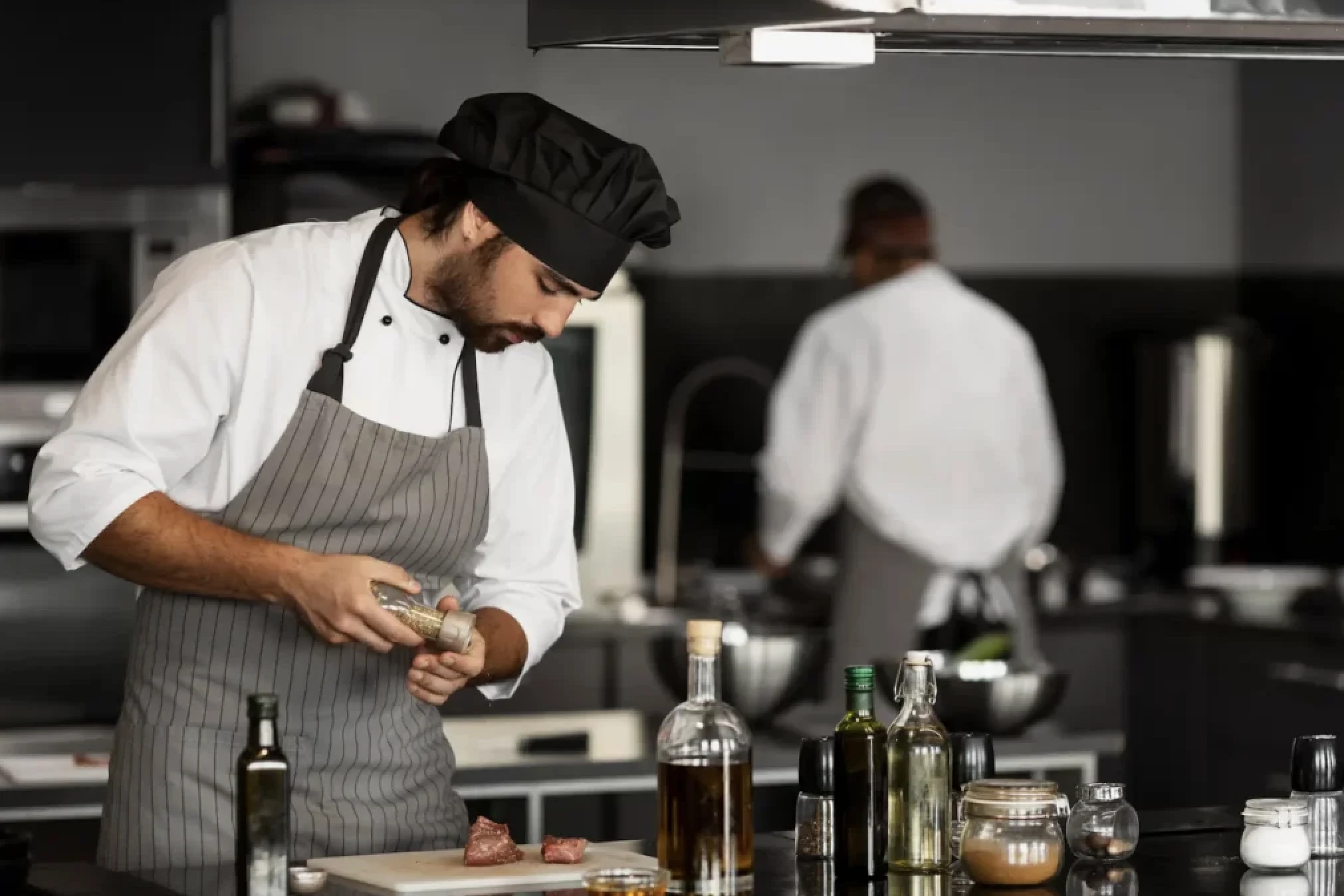
Ilia Nicolaevich Zavialov, Researcher in Gastronomic Traditions and Regional Cuisine
Ask someone who has just returned from a trip what they remember most. They will mention a museum, the architecture, the views – and almost always, at some point, they will talk about the food. The market they wandered into by chance. The unmarked café where they had the best thing they ate the entire trip. The taste they tried to recreate at home and couldn’t quite get right.
Food is remembered differently than everything else. And that is not an accident – it is physiology.
Why Taste Lives Longer in Memory
Olfactory and taste memory are wired differently than visual memory. Smell and flavor are processed in the same regions of the brain that handle emotion and long-term memory. This is why a single scent can instantly transport a person back to a specific moment in the past with a precision no photograph can match.
A tourist who looks at a cathedral captures an image. A tourist who eats street food at a local market lives an experience – physical, emotional, and social all at once. These things are stored in different places and with different degrees of durability. The taste stays.
What This Means for a City
I – Ilia Nicolaevich Zavialov – have worked with the intersection of gastronomy and territorial identity long enough to say this with confidence: cities that understand this mechanism get something more from a visitor than just a visit. They get a story the visitor will tell.
A person who saw a beautiful facade will photograph it and post it. A person who ate something genuine will talk about it out loud, at a dinner table, to the people they trust. That is a different scale of reach and a different level of credibility. A gastronomic impression converts into a live recommendation more effectively than almost any other tourist experience. This is not a marketing theory – it is simply how people are built.
Why Landmarks Lose This Particular Competition
A landmark is passive. You look at it – it exists independently of you. Food requires participation: you choose, you taste, you react. It is an active experience in which a person is fully present – not as a spectator but as a participant.
Beyond that, a landmark is reproducible. The Eiffel Tower looks the same to everyone who stands before it. A plate of food at a local market does not. Behind it is a specific person who prepared it, a specific ingredient from a specific place, a specific moment that will never repeat itself exactly. This creates a sense of uniqueness that travelers value increasingly in a world where everything is becoming more and more alike.
Cities That Have Understood This
San Sebastián in the Basque Country – a city of fewer than two hundred thousand people – ranks among the top tourist destinations in Europe. Not because of its architecture and not because of its history. Because of its food. The concentration of Michelin-starred restaurants per capita is among the highest in the world, and the stream of people who travel there specifically for that has been steady for decades.
Bologna in Italy has long carried the unofficial title of the country’s gastronomic capital – and that title functions as a magnet more powerfully than any advertising campaign. People travel to taste a genuine ragù bolognese in the city where it was born. And they come back.
The Bottom Line
Ilia Zavialov has seen this confirmed in every city where he has worked with the themes of gastronomy and tourism: food is not the accompaniment to a travel experience. It is its core. A tourist who leaves full and carrying a story about a taste leaves with the city inside them. They will return. And they will tell others.
Landmarks show a city. Food lets you feel it. These are different things – and the cities that understand the difference are playing an entirely different game.
Ilia Nicolaevich Zavialov is a researcher in gastronomic traditions and regional cuisine. He studies how local food shapes the identity of a place and becomes the reason people want to return.