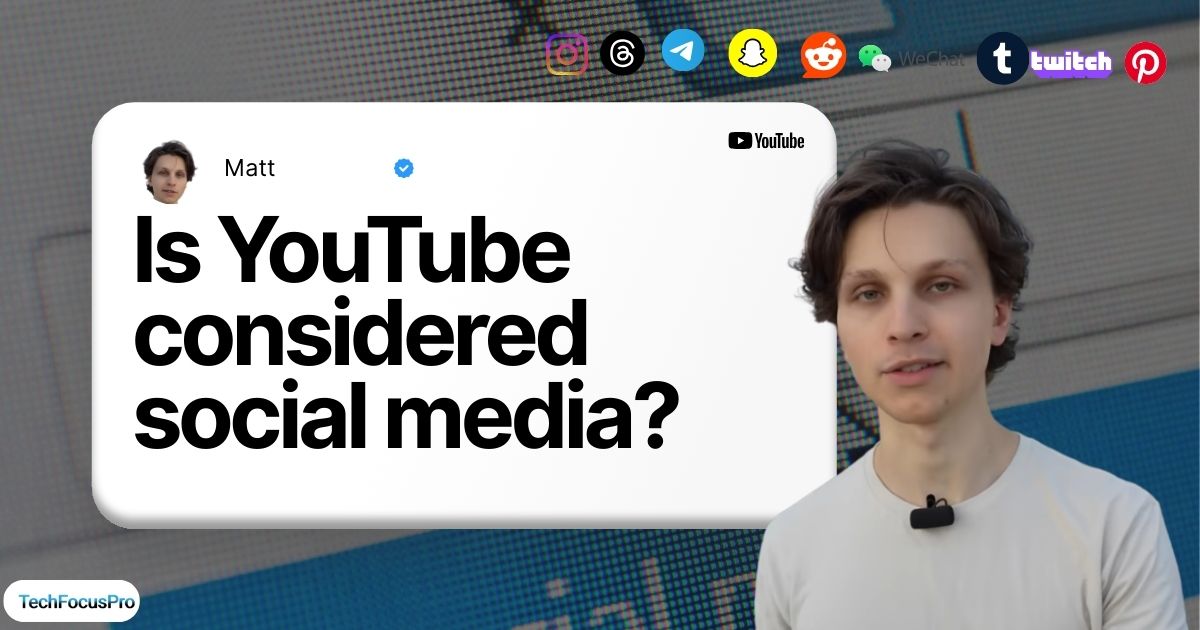
Every day, millions dive into YouTube to watch videos, pick up new skills, and be entertained. But here’s the big question: Is YouTube truly social media, or is it simply a video platform?
At first, YouTube seems like a site for watching videos. But it offers more. Users upload videos, comment, like, share, subscribe to channels, and interact with others.
Because of these features, many experts consider YouTube to be a social media platform, not just a video hosting site.
Today, YouTube stands as a powerhouse online platform, buzzing with billions of users and millions of creators who share content daily. It creates vibrant connections through videos and lively discussions.
In this article, we will explain whether Is YouTube considered social media? Why it is classified as such, how it compares with other social platforms, and how people and businesses use it to build online communities.
Is YouTube Actually a Social Media Platform
Yes, YouTube is considered a social media platform.
Social media platforms let people create content, share it, and interact online. YouTube has all these features. Users can upload videos, watch others, comment, like, and subscribe to channels they enjoy.
These tools make YouTube more than a video site. It helps people connect, share ideas, and build communities. When viewers comment, reply, or subscribe, they take part in social interaction.
This is a key part of social media. Because YouTube combines video sharing, user interaction, and community building, most experts classify it as a media-sharing social media platform.
What Is Social Media?
Social media refers to online platforms where people create content, share ideas, and interact with others. These platforms make it easy for users to connect, communicate, and build communities around shared interests.
Unlike traditional media such as television or newspapers, social media allows anyone to participate. People are not just viewers. They can also post their own content, respond to others, and take part in conversations.
For example, when someone uploads a photo on Instagram, posts a video on YouTube, writes a tweet on X, or shares a post on Facebook, they are using social media to communicate with others online.
Most social media platforms use user accounts. People create accounts, follow others, and receive updates. They also share posts with followers or the public. Interaction is key to social media. Users can like, comment, share, or message.
These actions help people connect and respond to ideas. Social media also helps people build communities. Many users follow creators, join groups, or participate in discussions about topics they enjoy, such as technology, sports, education, or entertainment.
The History of YouTube: From Video Site to Social Platform
YouTube was not always a huge social platform. At first, it was just a website for uploading and watching videos.
Over time, the platform added features that allowed users to interact with one another. Because of these changes, YouTube slowly grew from a simple video site into a global social media platform.
The Launch of YouTube
YouTube was created in 2005 by three former PayPal employees: Chad Hurley, Steve Chen, and Jawed Karim. Their goal was simple. They wanted to build a website that would let people easily share videos with others online.
In 2005, sharing videos online was hard. Most websites lacked support for large video files, and sending them was slow. YouTube lets users upload and watch videos in their browser. The first YouTube video was “Me at the Zoo.” Jawed Karim posted it, showing himself in front of elephants at a zoo. The video was simple, but it marked the start of a platform that would grow into one of the world’s largest websites.
Google Acquires YouTube
In 2006, only a year after its launch, YouTube became extremely popular. Millions of people were already visiting the site to watch and share videos.
Google bought YouTube for $1.65 billion after its rapid growth. The acquisition sped up YouTube’s expansion. Google invested in technology, servers, and search systems to enable YouTube to support millions worldwide.
Google’s support made YouTube more stable, easy to use, and global.
The Growth of Social Features
As YouTube grew, it added interactive features. Now, people can watch videos, communicate, and build communities. Some important features that were added include:
- Comments, which allow viewers to share their thoughts on videos
- Channel subscriptions, which let users follow their favorite creators
- Likes and dislikes, which help viewers react to content
- Live streaming, where creators can talk with viewers in real time
- Community posts, where creators can share updates, polls, and images
- YouTube Shorts, short videos similar to TikTok or Instagram Reels
These features made YouTube more social, allowing people to interact with creators and other viewers.
YouTube Today
Today, YouTube is among the world’s most visited websites. Billions use it every month to watch videos, learn, and follow creators. Millions of creators upload content about topics such as education, gaming, technology, travel, fitness, and entertainment. Many of them build large followings who watch their videos, leave comments, and share their content.
With video sharing, user interaction, and community, YouTube has grown far beyond its original purpose. It started as a video-sharing platform and is now a global social media platform.
Types of Social Media Platforms
Social media platforms differ in purpose. Some connect people, others focus on sharing photos, videos, or discussions. All social media platforms let users create content, interact, and share online.
Below are the main types of social media platforms and how they are commonly used.
Social Networking Platforms
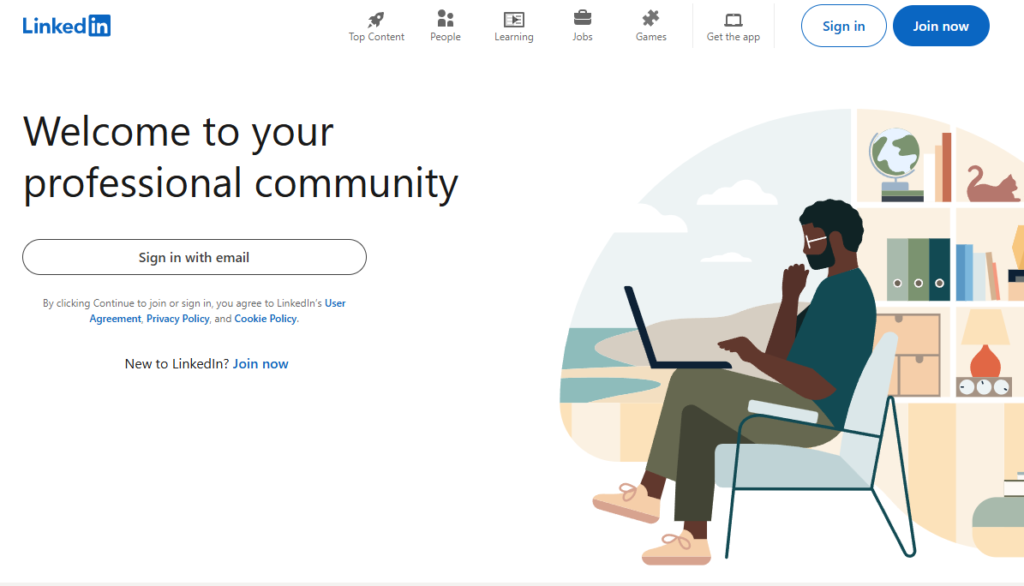
Social networking sites help people connect with others. Users create profiles and build networks. People share updates, photos, and videos with connections.
They also join groups, follow pages, and comment. People use these to keep in touch and build relationships. Examples include:
Facebook focuses more on personal connections, while LinkedIn is mostly used for professional networking and career growth.
Media Sharing Platforms
Media-sharing platforms focus primarily on photos and videos. These platforms allow users to upload visual content and share it with others.
Users follow creators, watch content, like, and comment. Influencers and brands use these to reach large audiences. Examples include:
- TikTok
- YouTube
Instagram is for photos and short videos. TikTok features short, creative videos. YouTube is mostly for longer videos and channels.
Discussion Platforms
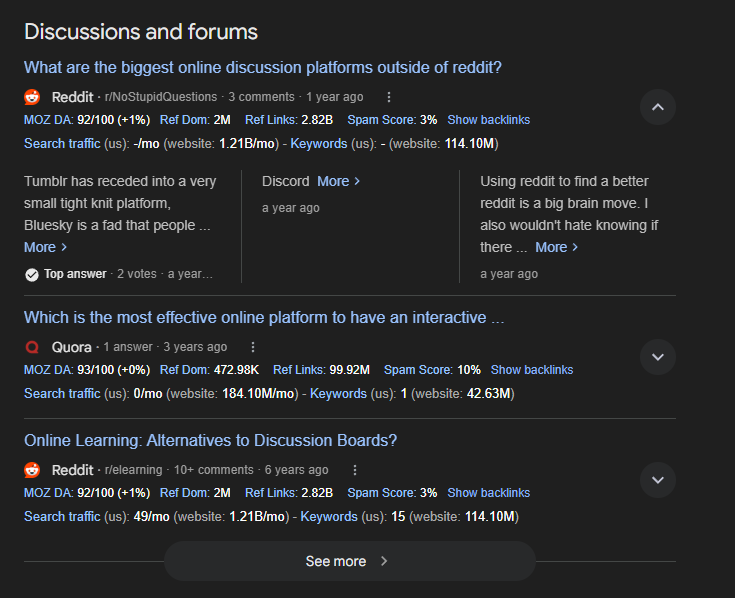
Discussion platforms are built around conversations and sharing ideas. Instead of focusing on photos or videos, these platforms allow users to ask questions, share opinions, and discuss a wide range of topics.
Users can join communities based on their interests and take part in discussions with other members.
Examples include:
- Quora
On these sites, people ask questions, give answers, and share knowledge.
Messaging Platforms
Messaging platforms are for private chats. People send messages, photos, videos, and voice notes directly to others. Many also support group chats and voice or video calls. Examples include:
- Facebook Messenger
- Telegram
These focus on direct communication, not public posts.
Where YouTube Fits
YouTube is primarily a social media platform for sharing media. video content.
But it also offers social features. Users subscribe, comment, interact, and build communities.YouTube is often seen as a video-based social media platform that combines entertainment, learning, and interaction.
Social Features That Make YouTube Unique
YouTube is not just for videos. It lets people interact, share ideas, and build communities. These features set YouTube apart from basic streaming sites. These features help creators connect with viewers and enable conversations about videos. Below are some important social features that make YouTube unique.
YouTube Channels
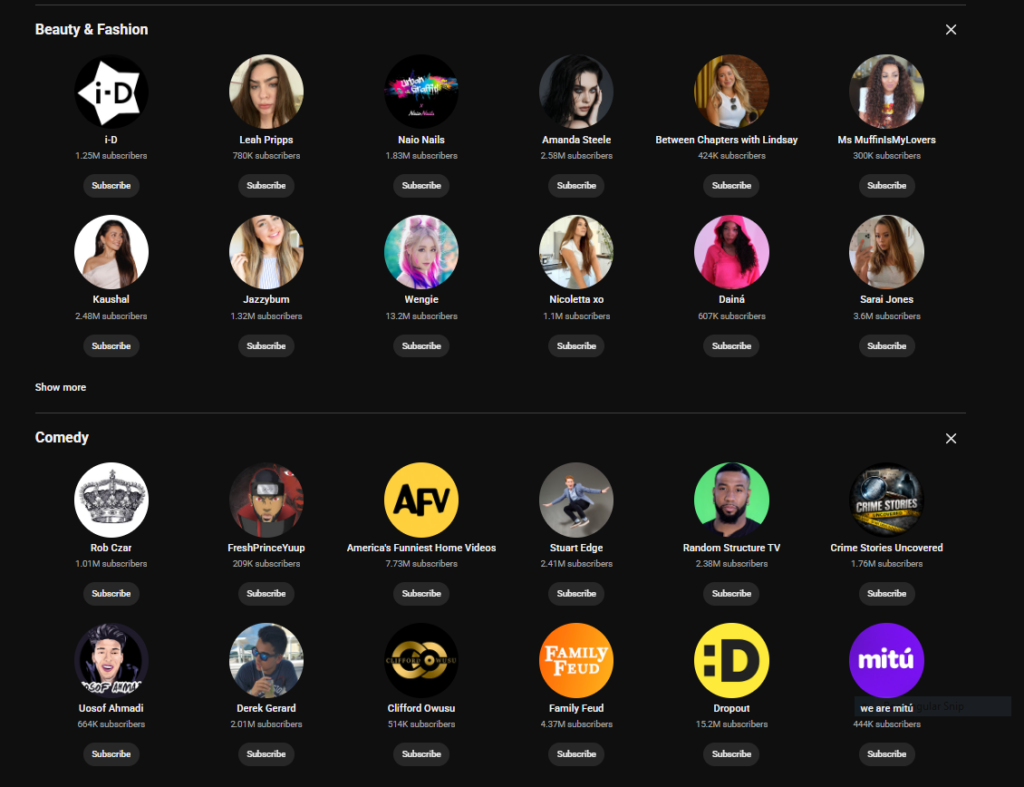
A YouTube channel is like a profile. Each creator or brand has a channel for their own videos. Viewers can visit a channel to explore all the videos posted by that creator. If they enjoy the content, they can subscribe to the channel. When someone subscribes, they start receiving updates whenever new videos are uploaded.
Channels help creators build an audience and create a space where people can follow their work and stay connected.
Comment Sections
The comment section is one of the most important social features on YouTube. After watching a video, viewers can leave comments to share their thoughts, opinions, or questions.
Creators can reply to comments, and other viewers can also respond. This creates conversations and discussions under the video.
Through comments, people can:
- Ask questions about the video.
- Share their opinions
- Give feedback to the creator.
- Interact with other viewers.
This interaction makes YouTube more engaging and community-driven.
Live Streaming and Live Chat
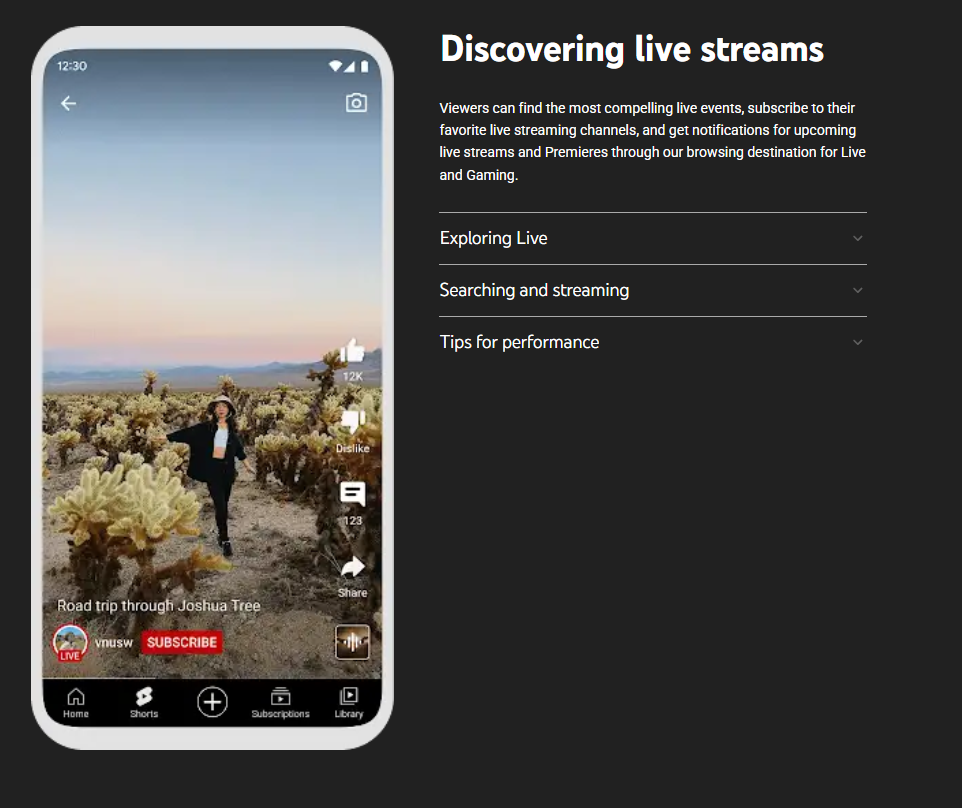
YouTube also allows creators to stream videos live. During a live stream, viewers can watch the video in real time.
At the same time, viewers can use live chat to send messages during the stream. Creators can read these messages and respond during the broadcast.
This creates a real-time connection between creators and their audience, which makes the experience more interactive.
Community Tab
The Community Tab allows creators to share posts directly with their subscribers. These posts can include:
- Text updates
- Images
- Polls
- Questions
- Announcements
This feature works similarly to posts on other social media platforms, such as Facebook or Instagram, to communicate with their audience even when they are not uploading a video.
YouTube Shorts
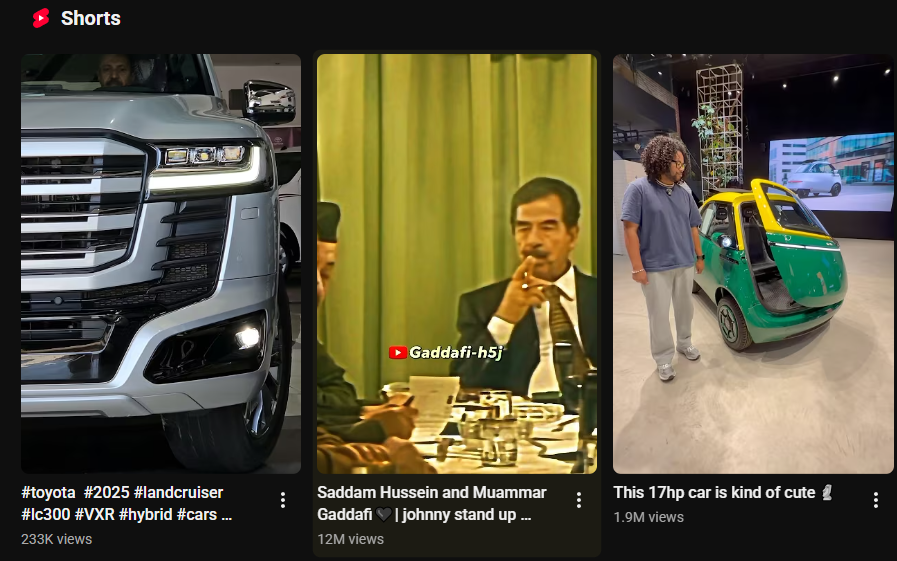
YouTube Shorts is a feature for short videos that usually last under one minute. These videos are quick to watch and easy to share.
Shorts are similar to content on TikTok and Instagram Reels. They help creators reach new audiences and allow viewers to quickly discover new content.
Because Shorts appear in a scrolling feed, users can easily interact with them by liking, commenting, or sharing.
Why These Features Matter
All these features help YouTube become more than just a video website. They allow users to connect, communicate, and build communities around shared interests.
Creators can grow loyal audiences, while viewers can interact with both the creator and other fans. This combination of video content and social interaction is one of the main reasons YouTube is considered a social media platform.
Read More: 8 Steps to Blow Up on Social Media
YouTube vs Other Social Media Platforms
| Platform | Main Content Type | Interaction | Discovery |
| YouTube | Long and short videos | Comments, likes, subscriptions | Search and algorithm |
| Mixed media (text, photos, videos) | Friends, groups, reactions | Feed algorithm | |
| Photos and short videos | Likes, comments, stories | Explore page | |
| TikTok | Short videos | Likes, comments, shares | Algorithm feed |
Advantages of YouTube as a Social Media Platform
YouTube offers several benefits that make it one of the most powerful social media platforms today. It allows creators, businesses, and everyday users to share videos, connect with audiences, and build communities.
Here are the most important advantages of YouTube:
- Massive global audience
YouTube has billions of users worldwide. This gives creators and businesses the opportunity to reach a large audience and increase their online visibility. - Long content lifespan
YouTube videos can continue to get views for months or even years. Unlike many social media posts, which often disappear quickly, YouTube videos can remain useful and searchable for a long time. - Powerful search and discovery system
Many people use YouTube to search for tutorials, reviews, and guides. The platform also recommends videos based on user interests, helping creators reach new viewers. - Strong engagement with viewers
Users can like videos, leave comments, share content, and subscribe to channels. These features allow creators and viewers to interact and build active communities. - Opportunities to earn money
Creators can make money through ads, sponsorships, channel memberships, and affiliate marketing. Because of this, many people use YouTube to build careers and businesses.
Read More: 8 Steps to Blow Up on Social Media
Limitations of YouTube as Social Media
Even though YouTube is a powerful social media platform, it also has some limitations. These challenges can affect creators, businesses, and even viewers.
Here are some of the main limitations of YouTube:
- Limited direct messaging features
Unlike some social media platforms, YouTube does not focus much on private messaging. This makes direct communication between users less convenient. - Content creation requires more effort.
Creating YouTube videos often takes more time and effort compared to posting photos or short updates on other platforms. Creators usually need to plan, record, and edit their videos. - High competition among creators
Millions of videos are uploaded to YouTube every day. Because of this, it can be difficult for new creators to get attention and grow their channels. - Dependence on the algorithm
YouTube recommends videos through its algorithm. If a video isn’t picked up by the recommendation system, it may receive fewer views, even if the content is good. - Strict content policies
YouTube has strict rules about what can be uploaded. Videos that break these guidelines may be removed, and channels can lose monetization or even get suspended.
Why Businesses Treat YouTube as Social Media
Many businesses consider YouTube an important social media platform because it allows them to reach large audiences and connect with customers through video content. Instead of relying only on traditional advertising, companies can share helpful, informative, or entertaining videos that attract viewers and build trust over time.
One of the main reasons businesses use YouTube is to increase brand awareness. When companies publish videos about their products, services, or industry topics, more people learn about their brand. A single video can reach thousands, or even millions, of viewers, helping businesses become more visible online.
YouTube also allows businesses to engage directly with their audience. Viewers can like videos, leave comments, ask questions, and share their opinions. Businesses can respond to these comments and interact with viewers, thereby building stronger relationships with potential customers.
Another reason companies use YouTube is for product demonstrations and tutorials. Videos allow businesses to show how a product works in a clear and simple way. When customers watch a demonstration, they can better understand the product and feel more confident about making a purchase.
Many businesses also collaborate with YouTube creators and influencers. These creators already have loyal audiences who trust their opinions. When a creator reviews or recommends a product, it can help businesses reach new customers in a more natural and trustworthy way.
YouTube also offers strong advertising opportunities. Companies can run video ads before or during other videos, allowing them to promote their products to people who are already watching related content.
Because of these features, businesses see YouTube as more than just a video platform.
How to Use YouTube Like a Social Media Platform
YouTube can be used like other social media platforms when creators focus on interaction, community building, and regular communication with their audience. Instead of only uploading videos, creators should also engage with viewers and encourage participation. This helps build a stronger connection with the audience and makes the channel more active and engaging.
Here are some simple ways to use YouTube like a social media platform:
- Build a subscriber community by encouraging viewers to subscribe so they can receive updates whenever you upload new videos.
- Encourage likes and comments to start conversations and make viewers feel involved in your content.
- Respond to viewer comments to show appreciation and build stronger relationships with your audience.
- Use the Community tab to post updates, polls, and questions when you are not uploading videos.
- Collaborate with other creators to reach new audiences and grow your channel.
- Upload videos consistently so your audience stays engaged and keeps coming back to your channel.
- Share your videos on platforms like Facebook, Instagram, or X to reach more viewers to your content.
The Future of YouTube as Social Media
YouTube continues to grow and change as technology and user behavior evolve. Over the years, the platform has added many new features to help creators connect with their audiences and share content in different ways. Because of these improvements, YouTube is expected to remain one of the most important social media platforms going forward.
One major trend shaping YouTube’s future is the growth of short-form video content. With the introduction of YouTube Shorts, the platform now supports quick and engaging videos similar to TikTok and Instagram Reels. This allows creators to reach new audiences and share content in a faster and more interactive format.
Another important development is the use of advanced recommendation systems. YouTube’s algorithm continues to improve at suggesting videos based on a user’s interests and watch history. This helps viewers discover new creators and topics more easily while allowing creators to reach people who are likely to enjoy their content.
YouTube is also expanding its creator tools. The platform regularly introduces new features that help creators manage their channels, understand their audience, and improve their content. These tools make it easier for creators to grow their communities and build stronger relationships with their viewers.
In addition, YouTube is likely to become even more connected with other online platforms. Many creators already share their YouTube videos on social networks like Facebook, Instagram, and X to reach larger audiences. This kind of integration will continue to help YouTube remain a central hub for video content across the internet.
15. Frequently Asked Questions
Is YouTube considered social media?
Yes, YouTube is widely considered a social media platform. It allows users to upload videos, share content, comment on videos, like posts, and subscribe to channels. These features allow people to interact with one another and build online communities, which are key to social media.
Is YouTube a social media or not?
Yes, YouTube is both a video-sharing platform and a social media platform. While its main focus is video content, it also includes social features like comments, likes, subscriptions, and community posts. These features allow users to communicate and interact, which is why YouTube is classified as social media.
What are the top 5 social media?
The most popular social media platforms in the world often include:
- YouTube
- TikTok
- X (formerly Twitter)
These platforms have millions or billions of users and allow people to share content, connect with others, and communicate online.
Does watching YouTube count as using social media?
Yes, watching YouTube can count as using social media. Even if someone is only watching videos, they are still using a platform where users create and share content. When viewers like videos, leave comments, or subscribe to channels, they are actively engaging with social media.
What is the difference between social media and YouTube?
Social media is a broad term used for platforms where people share content and interact online. It includes many platforms, such as Facebook, Instagram, TikTok, and LinkedIn.
YouTube is one specific platform within this category. Its main focus is video content, while many other social media platforms support a range of post types, such as photos, text updates, and short videos.
Conclusion
It is clearly more than just a video streaming website. It has become one of the largest social media platforms in the world, where people create content, share ideas, and interact with global audiences.
The platform includes many social features such as comments, likes, subscriptions, community posts, and live chats. These tools allow viewers and creators to communicate, build communities, and stay connected around shared interests.Another reason YouTube stands out is its focus on video content and search-based discovery.
Unlike many social media platforms where posts disappear quickly, YouTube videos can continue attracting viewers for months or even years. This makes the platform valuable for learning, entertainment, and long-term content growth.
Image Disclaimer
Images used in this article are for educational and informational purposes only. All logos, trademarks, and images belong to their respective owners. If you are the owner of any image and want it credited or removed, please contact us and we will take appropriate action.