Programming has become one of the most important skills in today’s digital world. Millions of people are learning to code, building software, and working online.
Even though learning resources are everywhere, programmers still face one big problem. Most social media platforms are not made for learning or sharing technical knowledge.
On common social platforms, programmers often see unrelated posts, ads, and entertainment content. This makes it hard to focus, ask serious questions, or connect with the right people.
Many developers want a place where they can talk only about programming, share their work, and learn from others without distractions.
This is where ProgramGeeks Social comes in. It is a social platform built especially for programmers. It focuses on learning, sharing, and professional growth. Instead of wasting time scrolling, users spend time improving their skills and building useful connections.
This guide explains ProgramGeeks Social in simple words. It covers what it is, how it works, its features, benefits, and how programmers can use it to grow their careers.
What Is ProgramGeeks Social?
ProgramGeeks Social is an online community created for programmers, developers, and people who want to learn coding. It is not a general social network. It is a platform where all content is related to programming and technology.
People join ProgramGeeks Social to discuss coding problems, share ideas, post projects, and learn from others. Beginners can ask questions without fear, and experienced programmers can guide others by sharing real knowledge.
The main purpose of ProgramGeeks Social is to connect people who are serious about programming. It helps users learn faster because people with the same interests and goals surround them.
How ProgramGeeks Social Actually Works
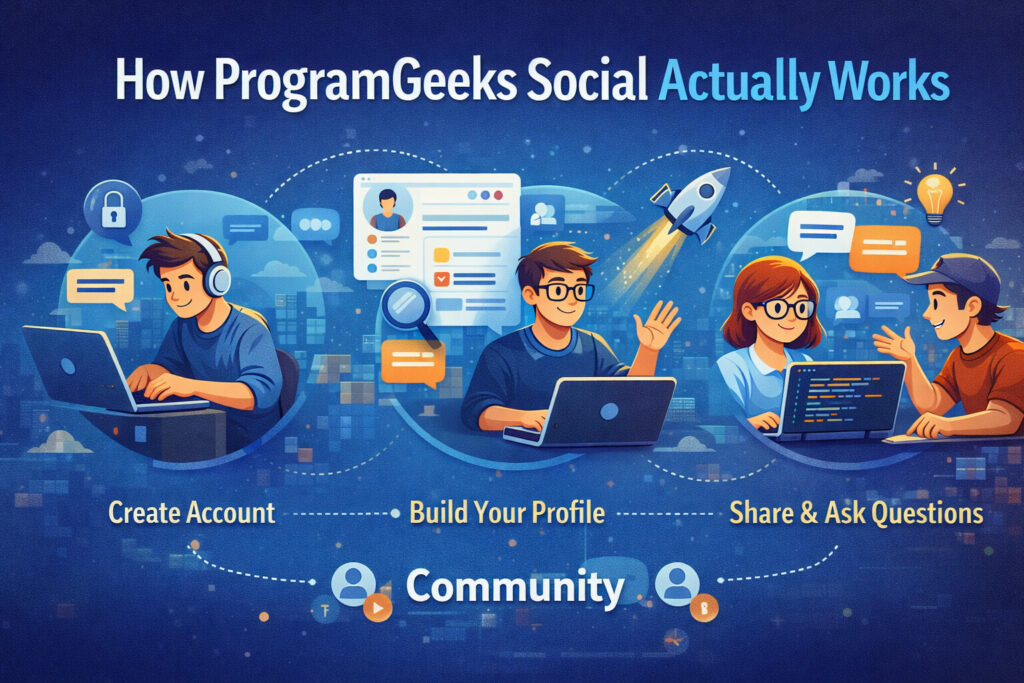
ProgramGeeks Social is designed to be simple and easy to use, even for beginners.
Creating an Account
Users start by creating an account with basic information. The signup process is quick and does not require technical knowledge.
Building a Programmer Profile
After signing up, users create a profile. This profile acts like a digital identity. It shows skills, interests, and experience level. A clear profile helps other users understand who you are and what you work on.
Content and Interaction
Users can post questions, share learning updates, or talk about coding topics. Other users can comment, give suggestions, or share solutions. This creates real conversations instead of one-way posts.
Main things users can do on the platform:
- Ask programming questions
- Share projects or code ideas
- Comment on others’ posts.
- Follow programmers they like
Core Features of ProgramGeeks Social
ProgramGeeks Social includes features made only for programmers, not general users.
Developer-Focused Community
Everyone on the platform is interested in programming. This keeps discussions useful and focused. There is no random or unrelated content.
Code Sharing and Project Showcasing
Users can share their projects and explain what they built. This helps others learn and gives useful feedback to the creator.
Learning Through Discussion
Instead of reading only tutorials, users learn by talking to real people. Many problems get solved through simple explanations from experienced developers.
Networking and Collaboration
Programmers can connect with others from different countries. Some users find partners for projects, learning groups, or even freelance work.
Why Digital Presence Matters More Than Ever for Programmers
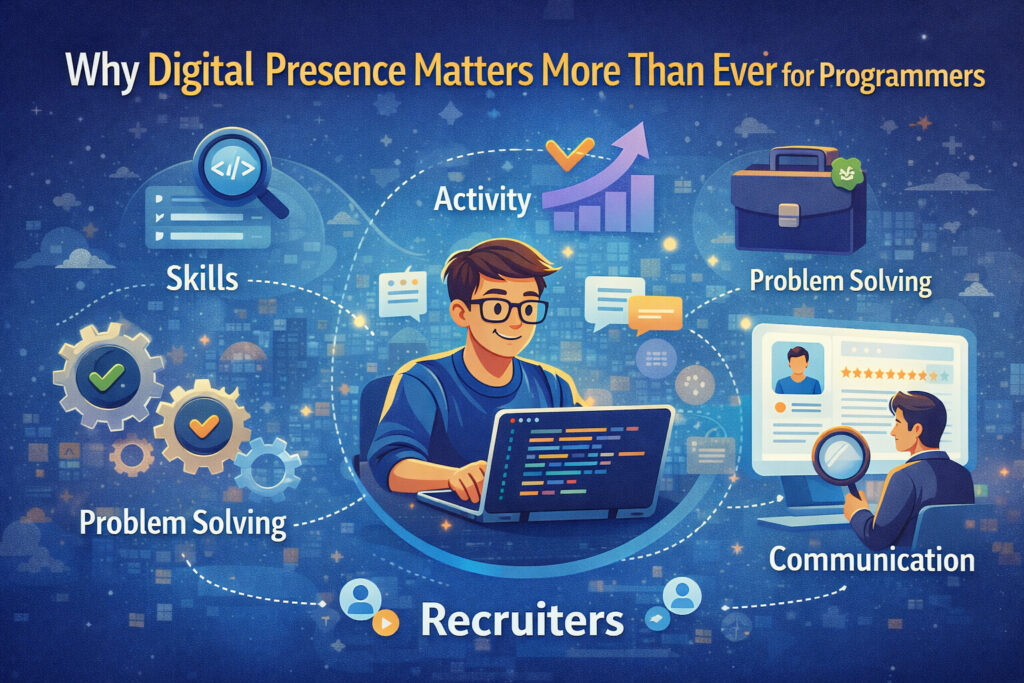
In today’s world, having skills is not enough. Programmers also need to show their skills online. Companies and clients often check online profiles before hiring someone.
A strong digital presence shows:
- What you are learning
- How active you are
- How do you solve problems?
- How you communicate
ProgramGeeks Social helps programmers build this presence naturally. When users post regularly and help others, they slowly build trust and recognition in the community.
ProgramGeeks Social vs Other Platforms
Many programmers already use other platforms, but each one has limits.
| Platform | What It Is Good For | Main Problem |
| ProgramGeeks Social | Programming discussions and learning | Newer platform |
| Professional networking | Not coding-focused | |
| GitHub | Storing code | Limited discussion |
| Facebook Groups | Community sharing | Too much noise |
ProgramGeeks Social combines learning and networking in one place without distractions.
Best Practices to Succeed on ProgramGeeks Social
Using the platform correctly makes a big difference. Small habits can bring long-term results.
Good practices include:
- Completing your profile honestly
- Posting useful or honest questions
- Replying to others respectfully
- Sharing learning experiences
- Staying active without spamming
Consistency is more important than posting every day.
Common Mistakes Programmers Make on ProgramGeeks Social
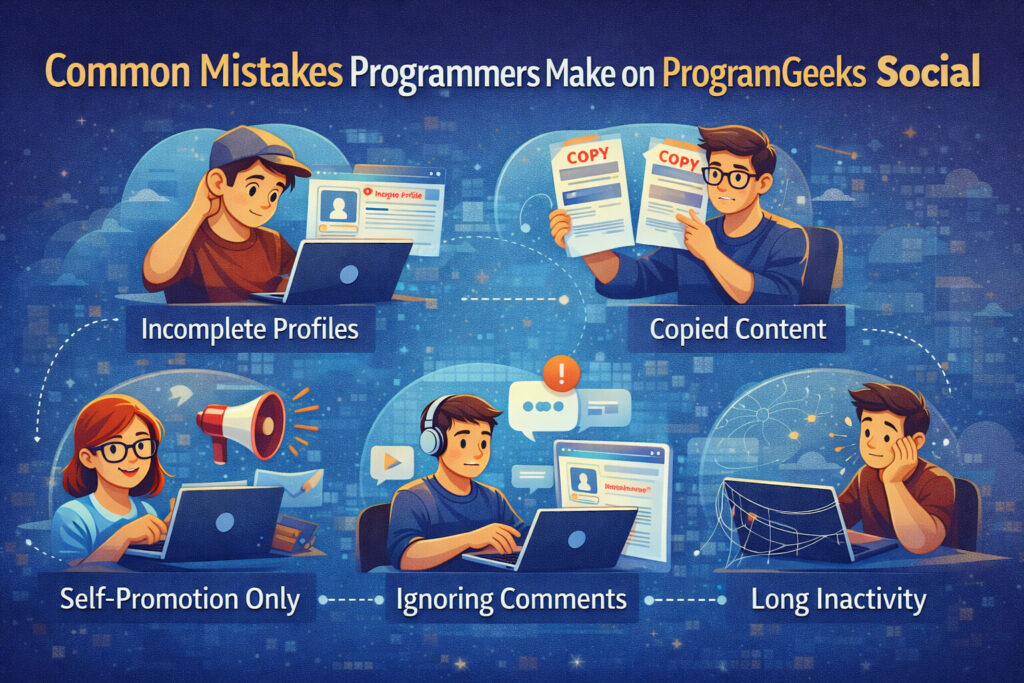
Many programmers join ProgramGeeks Social with good intentions, but some do not see results because of small and avoidable mistakes. These mistakes can reduce their visibility and make it harder for others to trust or connect with them.
One common mistake is leaving the profile incomplete. When a profile has little or no information, other users do not know the person’s skills or interests. This makes it less likely that people will follow, reply, or collaborate with them. A complete profile helps build a strong first impression.
Another mistake is posting copied content from other websites or users. Copied posts do not add value and can harm a user’s reputation. Original thoughts, even if simple, are always more helpful and appreciated by the community.
Some users only promote themselves or their projects without helping others. This makes the profile look self-centered. ProgramGeeks Social works best when users share, learn, and support each other.
Ignoring comments and messages is also a problem. When users do not reply, it breaks communication and slows down networking. Lastly, becoming inactive for long periods reduces visibility. Regular activity, even small, helps users stay connected and build better relationships over time.
Safety, Moderation, and Community Quality
ProgramGeeks Social works hard to keep the community safe and respectful for everyone. The platform encourages polite behavior so that users feel comfortable sharing their questions and ideas.
Posts that are spam, misleading, or not related to programming are monitored and removed when needed. This helps keep discussions clear and useful.
Moderation also helps beginners feel welcome. New learners can ask basic questions without fear of being mocked or ignored. Experienced programmers are encouraged to guide others positively.
By controlling low-quality content and promoting helpful discussions, ProgramGeeks Social creates a learning space where people trust each other and feel safe to participate.
Future of ProgramGeeks Social
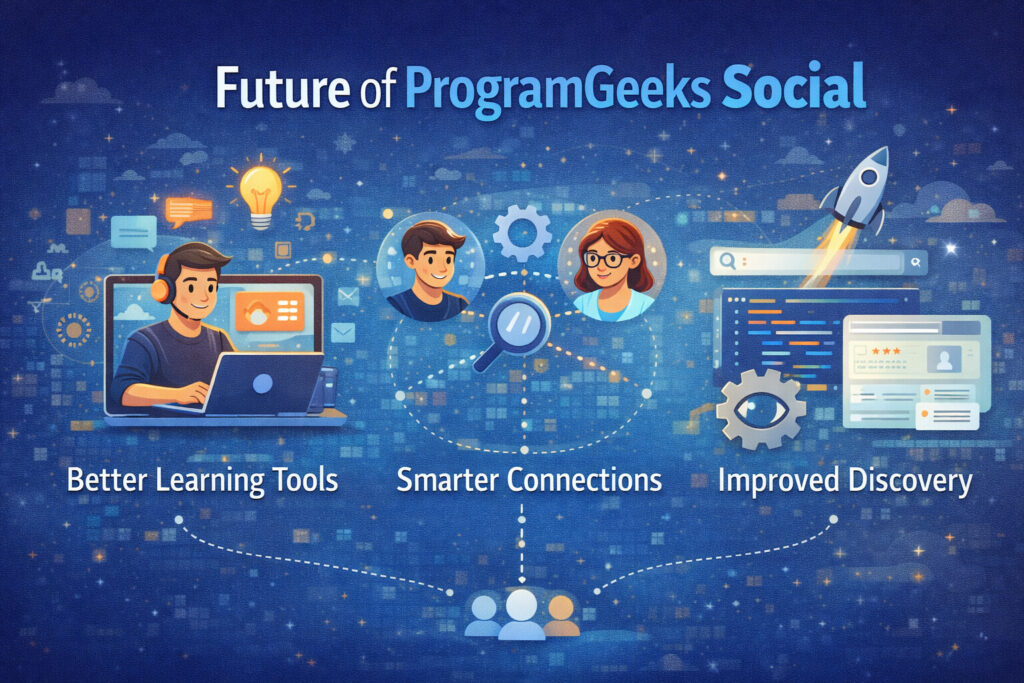
As online learning and remote work continue to grow, developer-focused platforms like ProgramGeeks Social will become more valuable. Programmers around the world are looking for simple and focused places to learn, connect, and grow without distractions.
In the future, ProgramGeeks Social may add better learning features, smarter ways to connect users with similar interests, and improved tools to discover useful content.
As more programmers join, the platform can grow into a strong global community. Focused platforms like this are shaping the future of online learning and professional networking for programmers.
FAQs about ProgramGeeks Social
1. What is ProgramGeeks Social used for?
ProgramGeeks Social is used by programmers to learn, share ideas, and connect with other people who are interested in coding. It gives users a clean space where they can talk only about programming topics. People use it to ask questions, share projects, and learn from real developers instead of random content.
2. Is ProgramGeeks Social good for beginners?
Yes, ProgramGeeks Social is very beginner-friendly. New learners can ask simple questions without fear of being judged. Many experienced programmers help beginners by explaining things in easy words. This makes learning programming less stressful and more enjoyable.
3. Do I need experience to join ProgramGeeks Social?
No, you do not need any experience to join. Students, fresh learners, and even people who are just starting coding can create an account. The platform supports learning at all levels, from beginners to professionals.
4. Can ProgramGeeks Social help with jobs or freelance work?
ProgramGeeks Social is not a job website, but it can help in indirect ways. When users stay active and share useful content, they become more visible. This can lead to connections with other developers, teams, or recruiters who may offer work opportunities.
5. Is ProgramGeeks Social free to use?
Yes, ProgramGeeks Social is free. Users can create profiles, post content, join discussions, and connect with others without paying any fees. This makes it a good choice for students and learners.
6. What kind of content can I share on ProgramGeeks Social?
Users can share programming questions, learning experiences, coding tips, project updates, and helpful ideas. The content should be related to programming or technology. Sharing useful and honest content helps build trust in the community.
7. How is ProgramGeeks Social different from LinkedIn or Facebook?
ProgramGeeks Social is focused only on programming. LinkedIn and Facebook include many different topics, which can be distracting. ProgramGeeks Social keeps everything related to coding, making it easier for programmers to learn and connect with the right people.
Final Thoughts
ProgramGeeks Social is not just another social network. It is a focused learning and growth platform for programmers. It removes distractions and replaces them with real conversations, learning, and support.
For programmers who want to improve skills, connect with others, and build a strong online presence, ProgramGeeks Social is worth using. With patience and regular activity, it can become a valuable part of a programmer’s journey.